PRODUCT TECHNOLOGY

Multi-channel thermoelectric dolls, thermoelectric resistance auto-checking devices

Operating principle

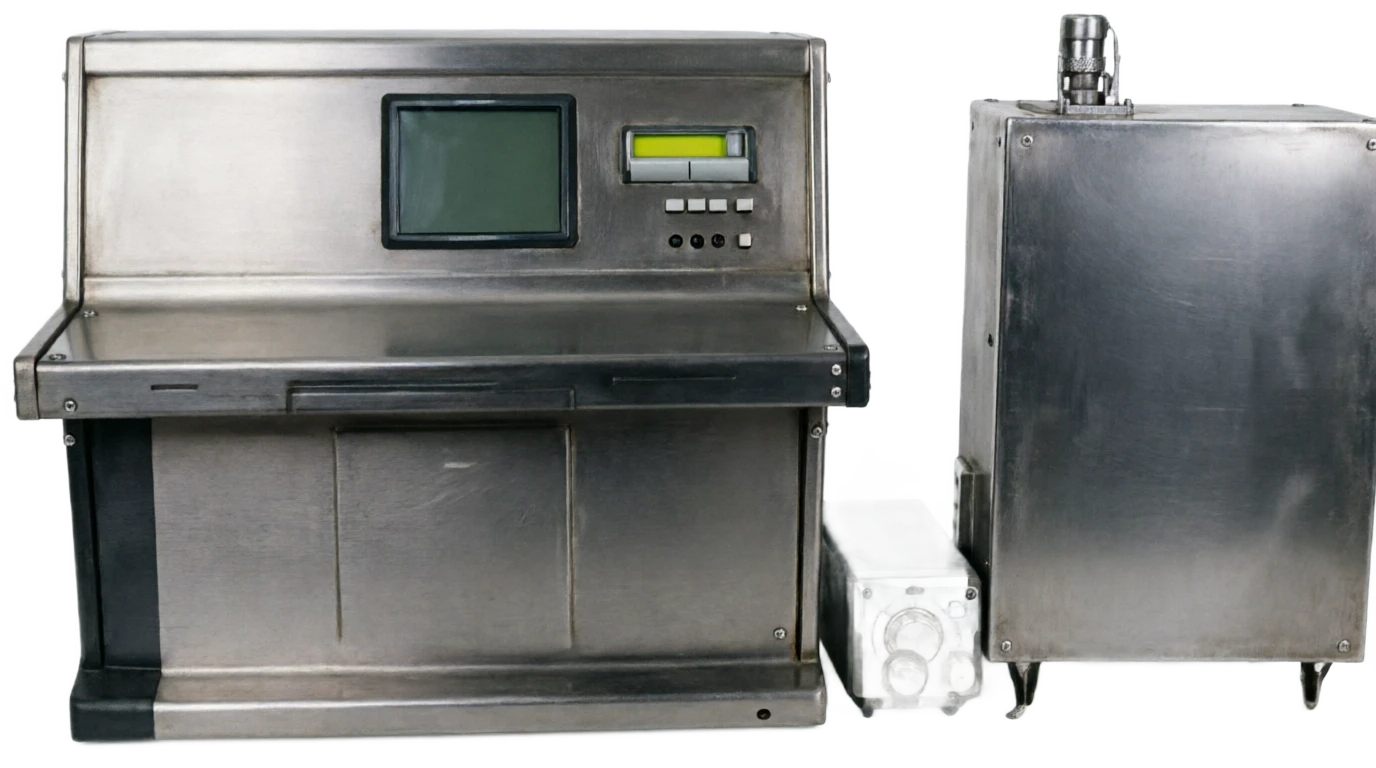
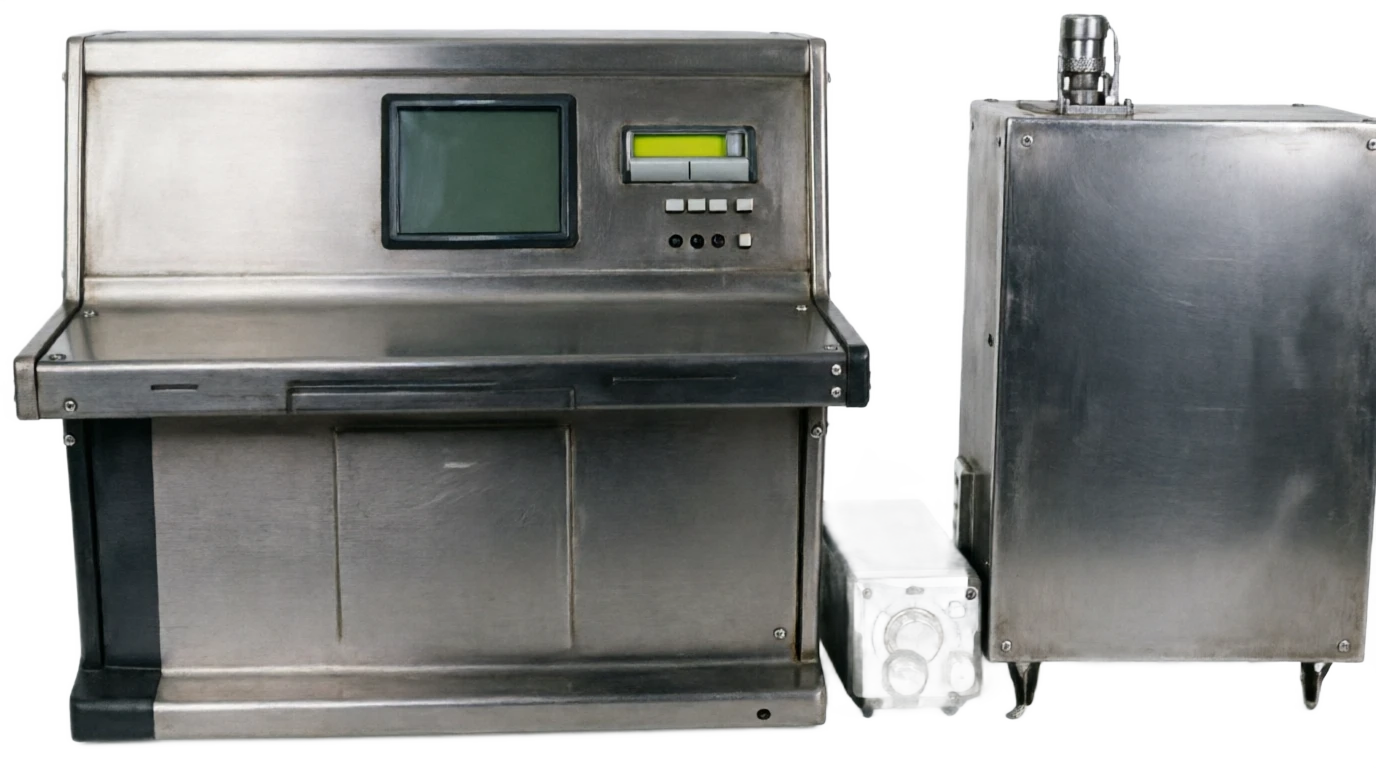
Multi-channel thermoelectric dolls, thermo-retard auto-checking devices.

The work of the multi-channel auto-validation device is carried out around the five links of "Standard Temperature ⁇ Multi-channel Scan ⁇ Precision ⁇ Speculation ⁇ Speculation ⁇ AutoCertificate". This section is based on a paragraph-by-section analysis of the "temperature field + electron + scan + software" perspective and concludes with a four-project key calculation of "temperature field evenness + time for scanning creation + TC cold end error + RTD self-heating". The device consists of a five-layer structure: 1 standard temperature field (heat media such as oil tanks/water tanks/ calibration furnaces/dry/bold furnaces), 2 multiple-channel scanning layers (drinding/photogram MOS matrix switches), 3 precision electrodes (Perfect electrodes) 8 Half DMM or a special TC/RTD module), 4 Control and Algorithmic Layer (Insulated/ Handheld +

  1. 01

    Dry reed relays . Glass tube inner springs are magnetically driven ..thermal power is extremely low (nV level), insulated. 10 Life expectancy at birth 10 ^ 8 • High precision TC measurements mainstream program

  2. 02

    Photoelectric MOS & Optical-engine MOSFET = no mechanical wear and tear, life 10 ^ 10 Subordinately, electrically accessible ~10 . High precision RTD measurement/ large channel density

  3. 03

    CMB & CMB & CCMOS & IMTER & RTD / Medium precision

  4. 04

    Relay matrix MXN Matrix Extension Extension MXN Channel with M+N road switches Complex software, scanning long build time Super-large 128 / 256 channel type

Multi-channel thermoelectric dolls, automatic verification devices support

Provide survey missions, media and installation conditions and obtain product configuration advice.

Contact us
Multi-channel thermoelectric dolls, thermal resistance auto-checking devices Technical Note

TECHNOLOGY & APPLICATION

Understand the principles, the exact selection.

From measurement principles to field applications, the technical features and selection elements of multi-channel thermoelectric dolls, thermal resistance auto-validation devices are understood.

01

TECHNICAL GUIDE

Overview

1.1 Product definition and attribution

Multi-channel thermoelectric dolls, thermoelectric resistance auto-checking devices, installed on metering laboratories or sensor production lines, for thermoelectric dolls (type K/E/J/T/N/S/R/B etc.) and for thermoelectric resistance (Pt100, Pt1000, Cu50, Cu100, etc.)

(c) Integrated equipment for automating batch matching. The core feature is "Multi-channel parallel + all-process automatic + certificate generation", i.e. multiple-road sensors are simultaneously placed in standard temperature fields, time-scan measurements of their respective telecommunications, conversion to IEC 60584/60751 fractional scales, error calculation and certificate generation using the JJG 141/229/351 calibration protocol, etc.

In the industrial process automation pyramid, the auto-checking device is located in the "Metric Layer" - a reverse engineering of process measurement (production of K-end/laboratory matching/departure entry): take the sensors used at the site back to the laboratory for periodic "psychology" and export the certificate or the failure to report.

1.2 Family division of labour

1.3 Four paragraphs of the development history

(1) Manual matching (1980s)

Manual reading standard devices and measured voltage, manual calculation error, one certificate of 30 to 60 minutes, suitable for annual spot checks only.

(2) Semi-automatic (1980s~2000s)

The numbers are more often replaced by tables for manual readings, but the channel switching is still dependent on manual switching, and scanning is done by programming, for example, LabVIEW; single-desk 10 Channel/year (e. g. Fluke) 1586 A. Time-consuming front stage. 1 ~ 2 Hours.

(3) Full automated period (2000s~2015)

Dry Reed Relay Matrix Scan + Handler + Commercial Top Software mature, typical Fluke 1586A, Isotech, JOFRA, Yokogawa 2560A; Single 64 channel/entries, ≤ 1 s/channels, including automatic certificate generation.

(4) Intelligence period (2015~)

(b) Brands such as National Production and Control, Central Electrics, Beijing Space Measurement, etc. entered the first ladder.

1.4 Boundary with single point/port verification equipment

There's a clear division of labour between precision, efficiency, mobility, and compliance with certificates.

Multichannel auto-checking device = efficient + certificate compliance + laboratory/line fixation; dry furnace = on-site manoeuvre + single point high accuracy; calibration genuines = telecommunications fast school + no real temperature.

The first question to be asked is whether the target is a real temperature sensor or a telecommunications transducer.

General · Membership / DutiesCross-reference
MembersDutiesCorresponding scene
Multichannel Autovalidator (This Part)Multichannel Parallel + Batch Auto + Certificate GenerationMeasurement laboratory / production line batch / manufacturer out
Dry furnace (one point per vehicle)Single Point Portable Temperature SourceOn-site field verification + emergency
38 verification emulatorTelecommunications Simulation MV/ QuickTransmitter / Secondary instrument / DCS card
41 Multifunctional Process VerifyerThere's a lot of signals on the scene.Field temporary sources + emergency calibration
34 auto-pressure verification devicesMulti-channel batches in the pressure areaBulk check of pressure transmitter (similar to pressure area)
Bold furnace (infrared thermometer)Use the word "infrared radiation source"Infrared Thermal Imager / Radiation Thermometer Check
Standard S type thermoelectric dollsStandard thermometers per seA physical benchmark passed by a superior
02

MEASUREMENT PRINCIPLE

Operating principle

The work of the multi-channel auto-validation device is based on the five links of "Standard Temperatures ⁇ Multi-channel Scan ⁇ Precision Measurement ⁇ Speculation ⁇ AutoCertificate" This section is based on the four angles of Temperature + Electric + Scan + Software, and gives the four key calculations of the project at the end of the project, Temperature + Scan time + Cold End Error + RTD Self Heating.

2.1 General structure

The device is made up of five layers of structure.

1 Standard temperature field layer (heat media such as oil tank/water tank/cure/dry/bold furnace), 2 multi-channel scanning layer (drin/photogram MOS matrix switch), 3 Precision electrodes layer (EMP) 8 Half DMM or a special TC/RTD module), 4 Control and Algorithmic Layer (Insulated/ Handheld + PID Control), 5 Upper Software Layer (Database + Certificate Generation + Remote Access).

The five layers are interconnected through Gygromethernet/CAN/RS-485 bus, which constitutes the "sensor mass examination stream line".

2.2 Thermal electro-mechanism

Thermal electromechanical channels measure the mPV direct current heat (typically 10~60 μV/°C, type S TC 1000 °C approximately 9.587 mV).

Elements of the rationale

1 Cold end compensation CJC - for the endboard. Pt100 / K-Type TC to measure sub-temperature, press IEC 60584 Get the cold end back from room temperature. 0℃ ; 2 Period conversion - by IEC 60584 (b) Standard scale (type K/E/J/T/N/S/R/B VIII) which will measure mV inverse temperature; 3 Compensatory guide error - if a compensatory guide is used, the compensation guide itself will need to be amended; 4 Blocks and Grounds - Two Blocks + One Point, Avoid 50 Hz work with a common pattern of interference.

2.3 Thermal resistance channel principles

Thermal resistance channels are measured by electrical resistance values (Pt100 in 0℃ is 100 times, temperature factor 0.385 times/°C). Rationale: 1 4 Linear measurements - two-line incentives + two-line measurements, and the total lead-wire resistance error automatically eliminates; 2 Constant Flow Incentive - Typical 1mA ( Pt100 Self-heating 0.05℃ /mW bound) , too much incentive to heat up, too little incentive noise is low; 3-degree conversion - by IEC 60751 Standard Scale (Standard Scale) Pt100/Pt1000/Cu50/Cu100 (a) Callendar-Van Dusen, a high-level multi-form; 4 Self-heating error correction - High-end machine to "incentive reverse detection" on the software level to eliminate the heat island effect.

2.4 Multi-channel scanning technology

The time for scanned creation is usually 0.5~2 s (including relay action + signal stabilization + ADC sampling), typically 64 channels are scanned about 32~128 s per week; If the inter-channel insulation is inadequate, there will be a problem with the "remaining heat and power of the front channel to the back channel", so you can switch and wait for ≥ 3 to double (and for the channel RC time constant) to ensure that the serial disturbance decay is reduced to below 0.1%.

2.5 Thermosphere control principles

Temperature fields provide the most critical basis for the precision of the device. Principle: 1 more PID temperature control - main heating + subheating + boundary compensation, temperature stabilization control ±0.05 ~ 0.2℃ ; 2 Multipoint Temperature Gradient Compensation - Surveying along the Media Axis 3 ~ 5 point, amend the position of insertion by curve in reverse; 3 Control of the rate of rise and drop - available 0.1 ~ 10℃ /min up and down rates, particularly critical for dynamic response testing; 4 Safety chain - ultra-temperature protection, liquid level protection, excess protection component 3 Go back to the bottom.

2.6 Automatic verification process (eight steps)

1 Channel Configuration - Entry of Channel Sensor Type / Spectrometer / Number; 2 Standard Device Preheat - Standard S-type TC or Standard Pt100 Turn it on, steady. ≥ 30 min; 3 Temperature setting — selected points (e.g. 100℃ / 200℃ / 419.527℃ Zinc dots; Insert sensors - are detected at the temperature level following protocol; 5 Scan measurements — multi-channel time-scans, with raw MV/s; 6 Data processing - CJC, fraction, self-heating, compensation guide correction; 7 Error calculation - based on JJG 141 / 229 / 351 Calculate deviations and uncertainties; 9 Certificate Generation - Automatically exit certificate PDF with data + conclusion + validity period.

The working principles . The type of switch / the principleCross-reference
Switch typeRationaleAdvantagesDisadvantagesApply scene
Dry Reed RelayThe inner spring drive of the glass tubeThermal power is extremely low (nV level), insulated, 10 G-times.Life 10 ⁇ 8 times but mechanical wearHigh Precision TC Measurement Mainstream Program
Photovoltage MOSOptically driven MOSFETNo mechanical wear, life 10 ⁇ 10 times~10 times, leaks nAHigh precision RTD measurement / large channel density
CCOS SwitchesIntegrated Multiple Path ReuserThe fastest, the most dense passages.Power-retarded (tens of times) and electrically-enabled through the channel.Low Cost Universal / Medium Precision RTD
Relay MatrixMXN Matrix ExtensionExpand the MXN channel with the M+N road switchSoftware complexity, scanning, long standing time.Large-scale 128/256 Passage Type
03

PRODUCT STRUCTURE

Product structure

Multi-channel auto-checker device by "hardware layer" (10 components)

+ Software Layer (10 Modules) " Composition.

The hardware layer provides the physical base and the software layer provides the intellectual and compliance capability.

3.1 Ten components of hardware structure

3.2 Ten modules of software structure

3.3 Five-type morphological distribution

1. Host cabinet / rack

Core component / specification: 19 inches standard cabinet / 1.8 m high functional description: physical skeletons for integration of all components; shielding and siteing

2. Standard temperature field

Core component / Specification: Tank/water tank/cooking furnace/dry/boldware furnace Functional description: Provide stable and even reference temperature sources

3. Scan the switch matrix

Core component / Specification: Spring / Photoelectric MOS / CCOS functional description: Multichannel time-out, extension of measurement port

4. Precision numerically more extensive tables

Core Component / Specification: 8-and-a-half DMM/ Specialized TC & RTD Module Functional description: μV class heat voltage / m class resistance precision measurement

5. Standard thermometers

Core component / Specification: Standard S TC / Standard Pt25 / Standard Pt100 Functional description: The actual temperature of the temperature field traces to the national baseline

6. Temperature controllers

Core Component / Specification: Embedded PID + Multi-temperature Control Functional Description: Maintaining Temperature Stability ±0.05 ~ 0.2℃

7. Embedded / Control

Core widget / Specification: x86 Handler + Linux / Win Functional Description: Run TopSoft; Data Acquisition and Storage

8. Endboard + CJC

Core element / specification: Temperature Bronze + Temperature Pt100 functional description: Cold end compensation and sensor access

9. Communications interface

Core component / specification: RS-485 / Modbus / Ethernet / USB / GPIB functional description: interconnect with the upload/ DCS / LIMS system

10. Power supply and protection

Core component / specification: UPS + Isolator transformer + Overflow Protection Functional description: Power outage protection and electrical safety

Module

Core component / Specification: Function Description: Achieving Technology

1. Human interface

Core widget / Specification: Channel Configuration / Process Control / Real-time Display Functional Description: Qt / Web / Touch screen

2. Temperature Control Engine

Core widget / Specification: PID Multi-Stand Temperature + temperature increase

3. Scan movement control

Core widget / Specification: Channel Timed Scan + Create Time Control Functional Description: Status Machine + Queue Schedule

4. Measuring engines

Core component / specification: DMM driver + ADC data acquisition functional description: SCPI / VISA / LXI

5. Periodication

Core Component / Specification: IEC 60584 / 60751 Timesheet Functional description: Multi-section + Retrocheck

6. Calculation of error

Core widget / Specification: deviation / uncertainty / K factor functional description: GUM 95 / JJF 1059

7. Databases

Core Component / Specification: Sensor Archive / Check Record / Certificate Functional description: SQL Server / PostgreSQL / SQLite

8. Certification generation

Core Component / Specification: Check Certificate PDF / Excel / XML Functional Description: Template Engine + Electronic Signature

9. Statement statistics

Core Component / Specification: / Unqualified Rate / Trends Functional description: BI tool / Customized Viewer

10. Remote access

Core component / specification: Web / API / Cloud Synchronization Caption: OPC UA / MQTT / HTTPS

Form

Core component / Specification: Number of Channels Functional description: Temperature range representative machine type / scene

Portable / Tight

Core component / specification: 4~8 Functional description: -40~1200°C Fluke 1586A / Small quantities on site

Desktop laboratory type

Core component / Specification: 16~32 Functional description: -80~1300°C Yokogawa 2560A / Measurement College

Line-making cabinet type

32~64 −200~1,600°C National production, Constance / Automated line

Large laboratory type

64 ~128 ~ 200 ~ 1800°C / National Institute of Metrology

Super-large matrix type

128 ~256 Military / Mass aerospace volumes by demand

04

TECHNICAL GUIDE

Advantages and disadvantages

4.3 Implicit trade-offs in accuracy and speed

The nominal precision of the device ± 0.01°C is usually the

25℃ Room Temperature + Standard S TC-Pilot + Short Channel (≤ 2 m). Actual: 1 temperature field uneven - calibration furnace ±0.5 ~ 1℃ Horizontal gradient, tanks ±0.05 ~ 0.2℃ , therefore the degree of disequilibrium of the sensors when the batch is inserted; 2 Passage string disturbance - toggle the mV residue of the front channel up to μV, for the S-type TC is an error of °C; 3 Self-heated - Pt100 1 mA Incentives to heat up. 0.05 ~ 0.2℃ , the high accuracy measurement requires "incentive reverse" to measure the average twice.

4.1 Eight major strengths

Efficiency

Advantage: 64 channel batch 1 ~ 2 completed Contrast object: 64 channel needs 32 ~ 64 hours

Precisions

Advantage: Consistency with the thermos, consistency of all channels ' error benchmarks Contrast objects: single point string, cumulative temperature drifts over time

Certificate Compliance

Advantage: Auto Generate Certificates by JJG 141/229/351

Data traceability

Advantage: SQL database + time stamp + non-molecable objects: paper records are easily lost, difficult to trace

Lower the number of people

Advantage: One person can operate 64~256 Channels

The temperature rises and rises.

Advantages: Accurate control, dynamic response test

Remote Transport

Advantage: OPC UA / MQTT Access LIMS / ERP Contrast: Single point device unconnected

Batch scenes costed

Advantage: Amortization costs for one channel decrease with number of channels

Disadvantages

High one-time input

Disadvantage: A cabinet type 30 ~ 1500000 Response policy: Share the amount of 5 amortized per year + channel to a single check

The site is demanding.

Disadvantage: Special metering room / constant temperature / dustproofing Response policy: new projects reserved 30 ~ 50 m2 Metrology Room

Temperature media replacement

Disadvantage: Aging of oil tanks / evaporation of water from tanks / calibration of the furnace chamber loss

Scan Serial Disturbation Risk

Disadvantage: Old spring / CCOS leak-induced inter-traffic policy: short-circuit matching of annual route; timely replacement of switch

High complexity

Disadvantage: Operator needs to understand the field + electrodes + protocols Response: Specialized training + Induction + Certification

Movement poor

Disadvantage: A cabinet type of 200~500 kg, non-mobility Response policy: a portable (dry furnace) type needs to be field tested

The protocol is slowly being updated

Disadvantage: JJG protocol revised every 5-10 years, with the certificate template synchronized

05

APPLICATIONS

Application area

5.1 Six Typical Applications

5.2 Overview of industry distribution

The multi-channel auto-validation device broadly presents the pattern of " metering court/detection agency 25% + sensor manufacturer 25% + power 20% + gas/chemical 15% + aerospace/military 10% + other 5% " by industry distribution. The Metrics Institute and the Sensor Plant are "the two main battlegrounds" where the former bear statutory control and the latter bear the quality of the plant; The electricity industry has a continuing demand for inspection of the K/E-type assembly TC entry.

5.3 Three types of certificate for typical certification

Institutions of measurement

Subject examined: Sending to TC / RTD Batch Type of Temperature: calibration + Tank + Tank Core Value: Statutory Measurement / Authorisation Authority

Sensor plant out of the plant

Subject inspected: K/E/J/S TC batch type temperature field type: calibration furnace + tank core value: exit certificate/ non-qualified graduation

Thermal and electro-mechanical plant inspection

Subject inspected: Loading TC batch (K/E) Temperature type: calibration furnace 600 ~ 1100°C Core value: entry quality clearance/ rejection failure

Chemical Batch Validation

Subject examined: Pt100 / Pt1000 Batch Type of Temperature: Tank / Dry 0 ~ 400℃ Core Value: Periodically verified / Process Compliance

Laboratory match.

Subject examined: Different manufacturers / Batch matching Temperature Field Type: High Precision Tank ±0.05℃ Core Value: Arbitration Measurement / Uncertainty Assessment

Online monitoring of in situ calibration

Subject examined: WirelessHART Node Temperature Type: Portable Dry + Multichannel Core Value: On-site Batch Validation / Online Diagnostic

Certificate Type

The protocol, the issuing body, the compliance requirements.

Could not close temporary folder: %s

JJG 141 / JJG 229 / JJG 351 Statutory metrology agencies

Calibration Certificate

JJF 1101 / ISO 17025 Metrology / Third Party Laboratory Non-Sustained / ISO System

Qualifications for exit

Within the enterprise / national standard / line standard sensor manufacturer / customer acceptance

06

TECHNICAL SPECIFICATIONS

Technical Parameter Table

6.1 General specifications for the entire machine

6.2 Temperature and scanning parameters

6.3 Thermal electro-mechanical channel parameters

6.4 Thermal electrical resistance channel parameters

  1. 01

    Select Table

7.1 Eight-bit selection table

7.2 Example of option (i) — Metrics Institute standard laboratory

7.3 Example (ii) — Sensor Plant Out-of-Stander Tests

7.4 Example (iii) — thermal plant admission inspection

7.5 Example of selection (iv) — laboratory multi-manufacturer matching

  1. 01

    Selection Guide

8.1 Six-step selection

8.2 List of eight typical pits

8.3. Fourth category acceptance chain

Thermal thermoelectric dolls and thermal resistance auto-checking devices are "bulk medical currents" in temperature measurement, and perform the five-factor coupling task of "Standard Temperature + Multichannel Scanner + Precision Electric + Speculation + AutoCertificate".

This section is organized around two main lines of thermoelectric dolls and heat resistion, comparing the three types of tools, one point/port/simulation, clarifying the division of the three technical routes of "Auto-Vs One Point with Vs Simulation Telecommunications";

Gives the temperature field homogeneity, scan string disturbances, TC cold end, RTDs calculate the four project keys of heating themselves, and binds them with a 8-bit selected table and a 8-class hole-scrap list.

Family division of labour

  1. 01

    Multi-channel batch (72nd ); • Dry furnace with single points; • Telecommunications Simulation with 38th Valid Simulation; ·

The full parameters are attached to the 41st Multifunctional Process Validator; The pressure field is the same as the 34th Pressure Autovalidator; The standard thermometer itself is classified as Standard S TC/ Standard Pt100.

Key selection discipline

  1. 01

    Accuracy chain accounting as a whole

    Temperature +DM + Scan + CJC + Compensatory Guide 5 Disaggregation; 2)

Temperature combinations cover all the temperature ranges.

Avoiding "temporarily finding another home"; 3) Scan creation time ≥ 3 times: Dispose Channels; 4)

Sync the certificate template with JJG/ JJF/ISO

Compliance first; 5) Database interconnection LIMS: Avoiding data isolation.

This is the first part of the story. 38 Checking the emulator, no. 41 Multifunctional calibration, no. 34 The pressure auto-checking device consists of a "four set of measuring equipment" from telecommunications simulation to live transport, to laboratory multiple-channel batches covering both temperature and pressure areas.

Technical Table of Parameters . Parameters / Typical ValuesCross-reference
ParametersTypical valueAnnotations
Number of channels8 / 16 / 32 / 64 / 128 / 256By scene; production line 32-64 mostly
Temperature range−200~+1800℃Combine by Temperature Media
Accuracy class±0.01℃ / ±0.1℃ / ±0.5℃Corresponds to First / Second / Third
Scan speed≤ 1 s/channels (including creation)High-speed 0.5 s/channel
Communication interfaceRS-485 / Modbus / Ethernet / GPIBUSB Backup + Remote Access
Working temperature15-30°C (laboratory temperature range)High Precision ±2℃ Control
Storage temperature−10~55℃Storage and transport conditions
Relative Humidity≤ 80% No CondensationAir-conditioning dewetting for the wet tropical project
Power220 VAC ±10% / 50 Hz / 1~5 kVASelect by channel and temperature power
Airlock Weight200~500 kgcabinet type; portable 30~50 kg
MTBF≥ 30000 Hours of WorkHigh frequency of use; monitoring facilities
Technical Parameter Table . Parameter / TankCross-reference
ParametersTankWater tankValidatorDryBold
Temperature range−80~300℃−5~95℃300~1200℃−40~1200℃−20~1700℃
evenness±0.05℃±0.02℃±0.5℃±0.1℃±0.5℃
Stability±0.02℃/10min±0.01℃/10min±0.3℃/10min±0.05℃/10min±0.2℃/10mi n
Temperature Rate0.5~5℃/min0.5~3℃/min5~20℃/min1~15℃/min5~30℃/min
Typical number of holes6~168~244~121~41~3
MediaSilicon oil / mineral oilPure water / anti-frozen fluidAir / Metal BlockMetal block / Dry airRadiation cavity
Typical usesModerate RTDLow Temperature RTDHigh temperature TCThe portable scene.Infrared thermometer
Technical Table of Parameters . Parameters / Typical ValuesCross-reference
ParametersTypical valueAnnotations
Supporting the fraction numberK / E / J / T / N / S / R / BIEC 60584 Full compatibility
Measurement range−10~100 mVT.C. All-temperature.
Accuracy⁇ (0.0015% Read + 0.5 μV)8½-digit DMM-grade accuracy
CJC Precision±0.2℃ (0 ~ 50℃ endend)K TC Impact 1:1
Inter-channel insulation≥ 10 GΩ / 200 V- It's high-pressure.
Coming inhibition≥ 140 dB (50 Hz)Anti-grid interference
Serial Cursor≥ 60 dB (50 Hz)Work-time suppression
Line compensationAutomatic / ManualCompensatory error correction of the lead line
Technical parameter table · Scan speed / 0.5~2 s/channelCross-reference
Scan speed0.5~2 s/channelInclude relay action + ADC sample
Technical Table of Parameters . Parameters / Typical ValuesCross-reference
ParametersTypical valueAnnotations
Support typePt100 / Pt1000 / Cu50 / Cu100IEC 60751 + National flag
Measurement range0~400 ΩOverwrite Pt100 Pantemosphere
Accuracy⁇ (0.002% reading + 1 m)4 Linear Measurements
Incentives to currents0.5 / 1 / 2 MA OptionalPress Self Heating / Noise
Self-heating error≤ 0.05℃ @ 1 mAHigh-end support incentive reverse elimination
Litres compensation4 Wireless Automatic Elimination2/3 Reimbursement of cable software
Scan speed0.3~1 s/channelFaster than TC (no CJC waiting)
Channel densityAchievable 64/ ModulePhototic MOS Matrix Switches
Technical Parameter Table . Bits / Options / ValuesCross-reference
bitsOptions / ValuesSelected Elements
1. Number of corridors8 / 16 / 32 / 64 / 128 / 256Select by batch size; Metrics 64-128; Production line 32-64; Portable 8
2. Precision level±0.5℃ / ±0.1℃ / ±0.01℃First class measure option ± 0.01°C; ordinary batch selection ± 0.1°C
3. Temperature field combinationTank / Water tank / Checker furnace / Dry / BoldSelect a combination by temperature range and medium; high and low temperature multiple
4. Sensor typeOnly TC/ Only RTD/ TC+RTD MixedMixed generics are strong but high unit prices
5. Scan switchesSpring/ Phototic MOS / CCOS / MatrixTC Dry Spring; RTD Photo-MOS; Cost Sensitive CCOs
6. Communications interfaceRS-485 / Modbus / Ethernet / GPIB / USBOpt-in with LIMS Ethernet; DCS selection RS-485; remote selection of OPC UA
7. Compliance with certificatesJJG 141/229/351 / JJF 1101 / ISO 17025Statutory check JJG; ISO system selection JJF/ ISO 17025
8. Data storageLocal/ Network Database / CloudMulti-user selected network database; remote selection of cloud
ParametersScenario RequirementsSelect Result
Number of channelsBulk inspection 64 Points64 Channel Desktop
PrecisionFirst class measure ± 0.01°CSpring + 8-Hand DMM
Temperature-80~1100°C rangeTank + sink + calibration combination
CertificateStatutory CertificateJJG 141/229/351 Template
DatabaseMulti-user sharingNetwork Database + LIMS dock
CommunicationLIMS Remote AccessEthernet + OPC UA
ParametersScenario RequirementsSelect Result
Number of channelsType K 200 daily inspections32 Channel Line Type
Precision± 0.5°CPhotovoltage MOS + TC module
Temperature300-1,000°C, for the Lord.Checker furnace + Tank
Speed≤ 2 min per unitScan 0.5 s/channel
CertificateQualifications for exitEnterprise Template + D
DataLocal storage 5 yearsLocal database + backup
ParametersScenario RequirementsSelect Result
Number of channelsQuarterly 200 stubs16 Channels Close
Technical Parameter Table . Sensors / K-type coating TCCross-reference
SensorsType K TCTC Channel + Dry Spring Switch
Temperature600 ~ 1100°C boiler temperatureThe calibration furnace 1200°C
Precision± 0.1°C Second class± 0.1°C standard type
CertificateIntake and inspection ordersElectrical sector template
EnvironmentField room dust.IP54+Foot filter
ParametersScenario RequirementsSelect Result
Number of channelsMulti-manufacturer 16 Pt10016. Channel laboratory type
PrecisionUncertainty ± 0.05°C8-Bilo-Medium DMM + Pt25 Standard
Temperature0-400°C matchTank ± 0.05°C even
StandardizerPt25 Standard Electrical RetardationExternal SPRT Port
DataUncertainty analysisGUM / JJF 1059 module
CertificateISO 17025 CalibrationCalibration Certificate Template
Technical parameter table · Steps / Key issuesCross-reference
StepsKey issuesDecision points
1. Subjects examinedTC/ RTD/ Mixed;Specific NumberDetermine the TC channel / RTD channel/ ratio distribution
2. Precision levelMetrics Institute / Plant Out of / Industry InFirst class ± 0.01°C / Second class ± 0.1°C / Third class ± 0.5°C
3 temperature rangeMinimum temperature / maximum temperature / medium typeCold / Medium temperature / High temperature calibration / Infrared
4. Access and efficiencyBatch size / individual section time / single scrap costShare it on amortized 5 years + channel to single check
5. Certification and complianceJJG / JJF / ISO / Enterprise TemplateStatutory selection JJG; ISO selection JJF/ISO 17025; custom
6. Data and transportLocal / Network / Cloud; Remote AccessMulti-user selection network; remote selection of cloud horizons + OPC UA
A trap.phenomenaResponse
Precision requires overspectification± 0.01°C, but temperature level is only ± 0.5°CPrecision chain accounting: Temperature field + DM+Scan + CJC Quadrilateral Error Decompose
The number of channels is not estimated.First 32 Channels will be expanded to 128 in a year.Estimated at 5 years of growth; 1.5 - 2 times the margin of the corridor
Thermals are not fully integrated.Calcator + Tank covers 0 ~ 1100°C but requires -80°C low temperatureFull temperature range one-off combination; avoid "temporary home search"
CJC error not controlledLarge subsector temperature gradient leading to CJC error 1:1 into TCTemperature design, etc., of end panels; end subsectors with fans forced to match currents
Scan time is not enoughQuick check after switch, front channel mV remaining disturbanceCreate time ≥ 3 x; high-end PV MOS low leak
PT100 Self-heating1 MA Incentived Pt100 Self Heated 0.2°CHigh accuracy selection 0.5 ma; or incentivizing inverse measurements of averages
Certificate template not updatedThe certificate template for JJG modified protocol is not synchronizedUpdate on subscription protocols; liaison with the Metrics Institute
Database islandLocal database is not linked to LIMS / ERPOPUA/ MQTT interface;preserving API
LinkAuthentication contentTools/ Methods
- To the receipt and inspection.Model / Channel Number / Temperature Group / Boxing ListCheck against purchase order; initial check of electrical transmission; verification of blast-proof certificates
Install acceptance and inspectionTemperature in position / Power / Local / Communication ConnectionTwisting wrench; ground resistance ≤ 4 times; communication ping testing
Validation and acceptanceTemperature evenness + inter-channel consistencyStandard machine cross-reference; channel short-circuit match; uncertainty assessment
Test Run Acceptance and InspectionReal batch sensor test + certificate generationSmall batch tests; certification clearance; operator training