
PRODUCT TECHNOLOGY
Handheld Multifunctional Validator
Operating principle
Handheld multifunctional calibration.
General architecture: The core of the two-channel system handheld multifunctional calibration system for the measurement of source integration is a single measurement source architecture consisting of a high-precision model converter (ADC) and a digital model converter (DAC). Measuring Channels (Measure) quantifys 24-bit ADC after the signal is adjusted; The output channel (Source) is 20-24-bit DAC to enable the low noise baseline and power magnification circuit to produce a set value of accurate voltage, current or simulated resistance. A signal end or split end in a single set of channels, re-engineered by a Quantified Switch and a Multi-road Simulation Switch, as directed by the user. Key subsystems 2-1 PDA Key System Refrigeration Method (CJC) Thermal Puppet Output Power
- 01
· Measurement of the conversion of 0~24 MA currents to voltage using precision sampling resistance; Output is a pressure-controlled constant stream source, set at 0~24 MA or 4~20 MA full, supporting 25% step self-checking 0~24 MA; 0.02% Read
- 02
· Measurement of four-line constant current incentives to eliminate wire resistance; output of resistance simulation networks (relays to switch to precision electrical resistance arrays) or electro-resistance synthetic circuits ~ 0~3200 (vision type); 0.02~0.05 typical errors
- 03
Thermal electromechanical simulation · Read the internal fraction table (IEC 60584), which converts the target temperature to the corresponding millivolt output; The temperature scale is re-examined with the cold end compensation (CJC) as amended at the time of the input measurement. The temperature scale is supported by K/E/J/T/S/B/R/N equivalent; CJC typical error 0.2 ~ 0.5 degrees Celsius
- 04
Thermal resistance simulation · Reading IEC 60751 scales, simulations of components such as Pt100/Pt1000/Cu50, based on a two/three/four-line approach; The four-line precision is the highest. The two-line system needs to consider the resistance of the wire. Pt100 Typical 0.1 ~ 0.3 degrees Celsius
Structure
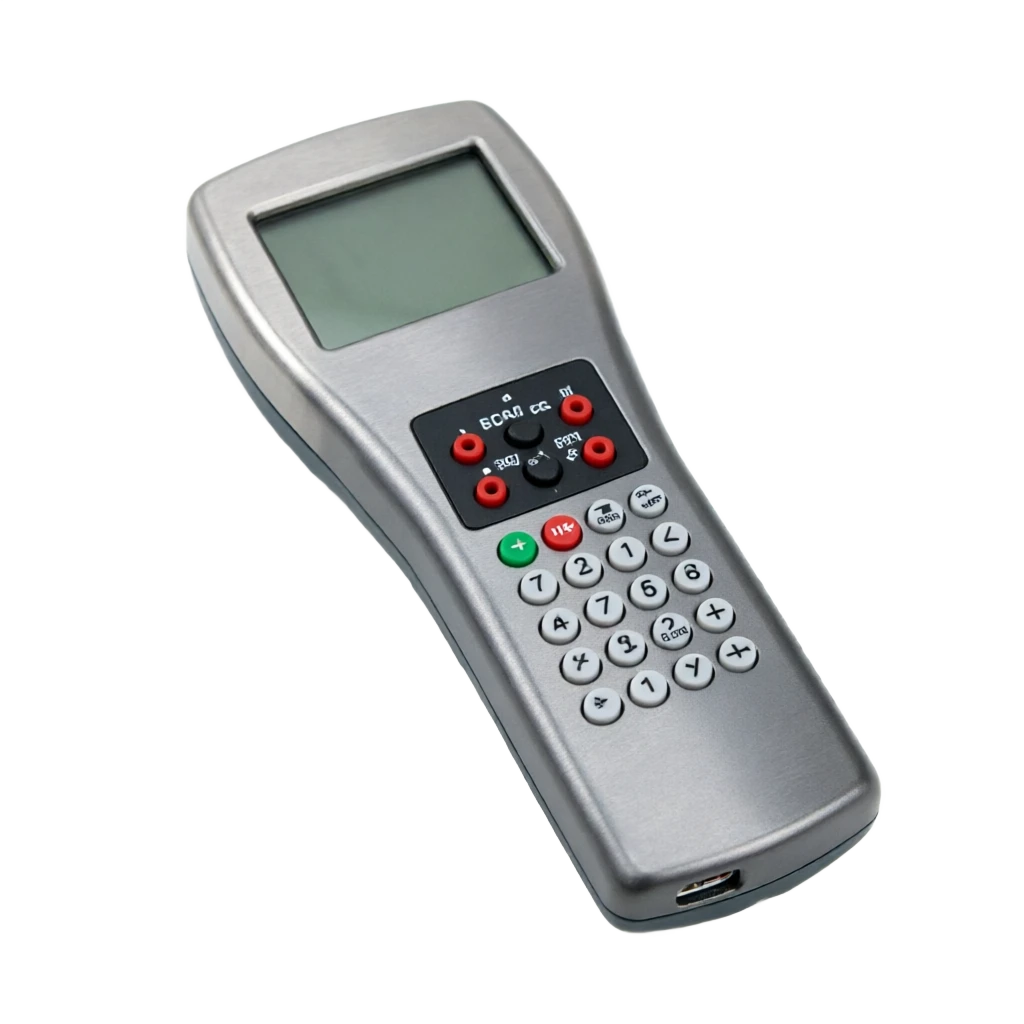
A handheld multifunctional calibration, structural composition.
The whole-form polyfunctional calibration is based on the human engineering vertical shell, typically of approximately 200 x 96 x 52 mm and weight 600 ~ 1200 g. The front plate is the display screen + touch key layout, the top or side side of which is the input output end, the battery silo is in the back, and the whole is IP54 or even IP65, and can withstand a 1 m drop. Table 3-1 The structural evolution of the PDA structure has shown three trends in recent years: the first is the reduction of operational learning costs by colour-point screens and graphical guides (e.g., the calendar task interface of Fluke 754); The second is that the end is moving from the "safe plug + crotch" to the integrated crocodile trap test line and the fast-end, reducing back-to-back access; III
- 01
Table of advantages and disadvantages 4-1 Table of main advantages 4-2 Table of main weaknesses and responses
- 02
Show units . Part Code LCD or 320 x 240 point colour/single liquid crystal, double or multiline contour and output values with back light and unit symbol . Wing temperature work (-10 ~50°C); readable under strong light; low power consumption count
- 03
Press the panel · Numerical keys, functionality keys (SOURCE/MEASURE/LOOP/HART), Quantities and shortcut keys to support blinding operations and single-handed switching • Keys and feedback hands; error locking; key layout with night light marking
- 04
Signal endpoint • Input output sharing or split endlines, marked with mA / V / mV / / / TC / RTD / Hz and circuit power polarity, using security plugs or spring enders & bugproof design; Thermal voltage Puppet End mining, use temperature blocks to reduce CJC error
Application area
Handheld multifunctional calibration . Application area
Table 5 - 1 Typical Application Area and Example of the Typical Field Process: On-site verification of the 5 - 2 Transceiver Field verification of the Typical Business Process: The following parameters combine the public specification of the import and mainstream national production polyvalid, representing the typical level of the 0.02 ~ 0.05 class. The usual types of machines are divided into four tranches by functional class and target market. The specifications are based on the latest manufacturer sample. Table 7 - 1 Handheld Multifunctional Validator Substrate Select Table 7 - 2 Usual Parts and Selective Recommendations Service & Compliance "Five-step decision-making to avoid paying premiums for unserviceable flagship functions and to avoid invalidation of validation conclusions due to lack of precision. Table 8-1. Summary of selected decision elements for a typical scenario for decision path I: petrochemical enterprise instrument
- 01
Technical parameter table (typical machine type)
- 02
Selective guidance decision-making elements suggest the use of the environment according to the "Use location accuracy list" function
- 03
Level 5 ~ 1.0, site dispersed, single-person - recommended national product prevalence level (0.05).
- 04
• Short duration of the re-entry window, hand-held fast completion of the re-routing, reduced parking time
Selection Guide
Handheld multifunctional calibration.
The complete description provides a view of the technical sections.
Model Selection SELECT A MODEL
1 Model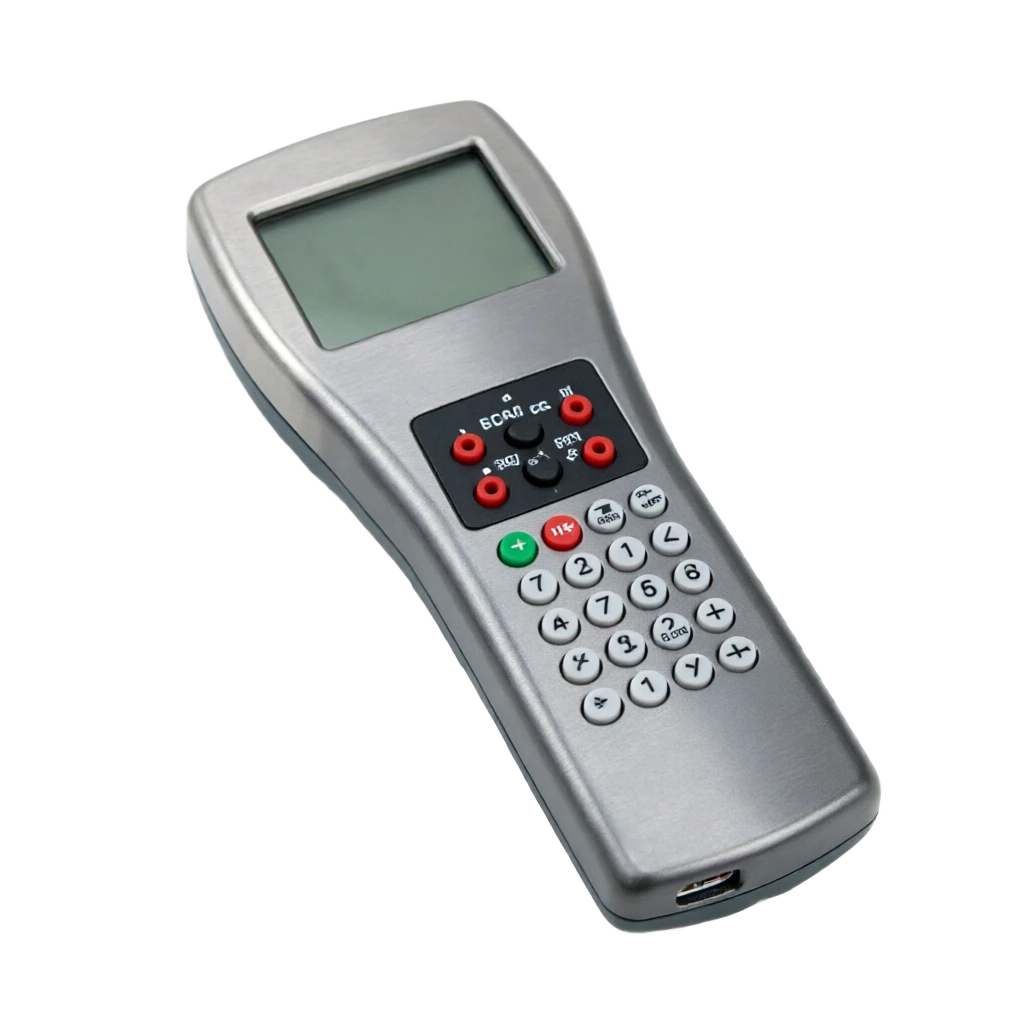
Handheld multifunctional calibration device selection support
Provide survey missions, media and installation conditions and obtain product configuration advice.
Contact us